In a move to deepen technology innovations in the state’s school system, Abia State Government, through the State Ministry of Science, Technology and Innovations has established a biogas digester to drive a biogas demonstration project in the state.
This was even as the state government has also deployed a pilot scheme at a secondary school located in Owerrinta for the project.
The Commissioner for Information Prince Okey Kanu disclosed this Umuahia, on Monday, while briefing journalists on the outcome of this week’s State Executive Council meeting chaired by the state governor, Alex Otti.
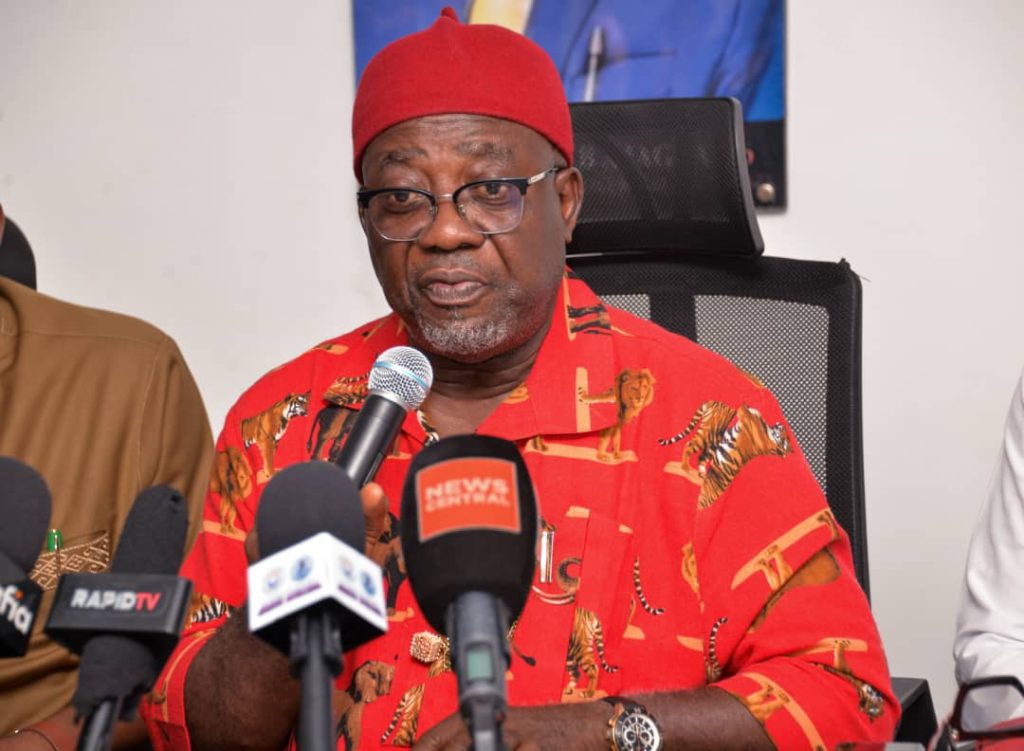
Prince Kanu stated that the project is a major step towards renewable energy adoption. According to him, the project is designed to demonstrate the viability of converting organic waste into renewable energy within educational institutions.
“The bio-gas initiative is intended to assess the affordability, scalability, and acceptance of the technology in schools, while also generating research data that could support wider implementation across the state.
“The programme, when fully on stream, will demonstrate the viability of biogas as a renewable energy source from organic waste within schools or institutions,” Prince Kanu stated.
He explained that the pilot project, which is currently in its early stages, is expected to begin gas production within a few weeks. If successful, the initiative could be replicated in other schools and public institutions throughout Abia State.
The Commissioner said as part of efforts to promote science and technology education among young people, the Ministry of Science, Technology and Innovations plans to organize a five-day STEM Week programme targeted at secondary school students across the state.
“The initiative will showcase educational technology solutions, launch a dedicated STEM platform, and engage students through ICT club activities.” He said.
According to him, the programme will particularly encourage the participation of girls from about 30 secondary schools across Abia State, with the goal of fostering greater inclusion in science, technology, engineering, and mathematics education.
Prince Kanu also informed that the Ministry of Science, Technology and Innovations is setting up a committee to implement a programme tagged ECoN, “Energised Commercialisation Now”, a Federal Government programme that promotes technology innovation and research in all the states of the country.
He said that the directive was for the states to set up a committee that would drive the programme, adding, “the committee will, one, facilitate identification and participation of credible innovators, startups and researchers within the state. Two, the committee will ensure progression and presentation of viable market-ready innovation and research outcomes.
“Three, the committee will strengthen linkages between academia, industry and government stakeholders. Four, they will promote inclusivity with their focus on youth and women participation. Five, they will support the overall success of the ECON, national flag off and technical sessions.
“Finally, the committee will develop a credible state research and innovation policy”.
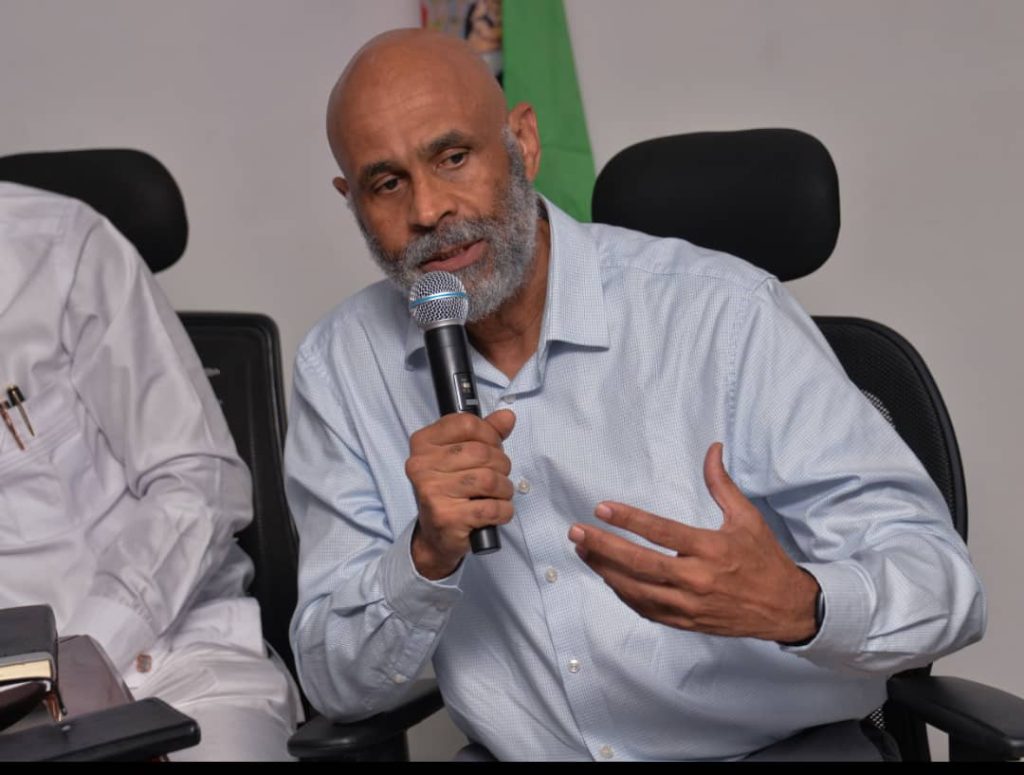
Contributing, the Commissioner for science, technology and innovation, Mr. David Kalu disclosed that the federal government has directed the establishment of a state committee under the Federal Government’s Innovation, Science and Technology programme.
The committee, he said will coordinate the participation of innovators, startups, researchers, academic institutions, and industry stakeholders within Abia State.
According to him, the committee has responsibilities that include, identifying viable research projects, facilitating commercialization opportunities, strengthening collaboration between academia and industry, and promoting youth and women participation in innovation-driven activities.
“The committee will support the preparation and presentation of market-ready research outcomes at national technical sessions and innovation platforms”, he said.
Kalu announced that the members will cut across higher institutions in the state, including Abia State University, Ogbonnaya Onu Polytechnic, Michael Okpara University of Agriculture, as well as private sector stakeholders who are also expected to serve on the committee.
He also disclosed the ministry plans to leverage the committee to develop a comprehensive Abia State Research and Innovation Policy, stating, “the proposed policy will focus on encouraging research that aligns with the state’s economic priorities, utilizes local resources, and supports commercially viable innovations.”
He described the initiative as a strategic long-term approach that will position Abia State as a leading hub for practical, impactful, and sustainable innovation in Nigeria.
The Commissioner reiterated the state government’s commitment to creating an enabling environment for science and technology development while ensuring that innovation contributes meaningfully to economic growth, education, and job creation across the state.